Rudderstack blog
News from RudderStack and insights for data teams

RudderAI brings agentic power to the entire customer data lifecycle
RudderAI brings agentic power to the entire customer data lifecycle
RudderStack launches RudderAI, an agentic layer for the customer data lifecycle. Data teams get natural language control over pipelines and governance. Business teams can explore data, build segments, and activate them with agentic workflows.

CDPs in 2026? Delivering trustworthy customer context for AI
by Soumyadeb Mitra
AI is a stress test: How the modern data stack breaks under pressure
by Brooks Patterson
Beyond the modern data stack: The customer context engine for the AI era
by Brooks Patterson

The bigger AI opportunity isn't automation. It's speed of decision
Most AI conversations focus on automation. The real opportunity is speed of decision. This post shows how reducing latency between signal, reasoning, and action unlocks revenue and why infrastructure, not tools, determines how fast you move.


The hidden cost of UI-driven data pipelines: Why teams are moving to infrastructure as code
Customer data pipelines are still managed through UI-driven workflows that don’t scale. This guide explains why teams are moving to infrastructure as code and how to make pipelines versioned, testable, and governed.


How Zoopla transformed real estate experiences with data-driven personalization
Learn how Zoopla, a leader in the UK real estate space, transformed real estate experiences with data-driven personalization and RudderStack's customer data infrastructure.

From MTU overages to predictable scale: How Apploi rebuilt its customer data foundation
Apploi reduced costs by 35% and rebuilt its customer data foundation by moving away from MTU-based pricing. Learn how a warehouse-centric architecture enabled predictable scale, governed pipelines, and faster growth.
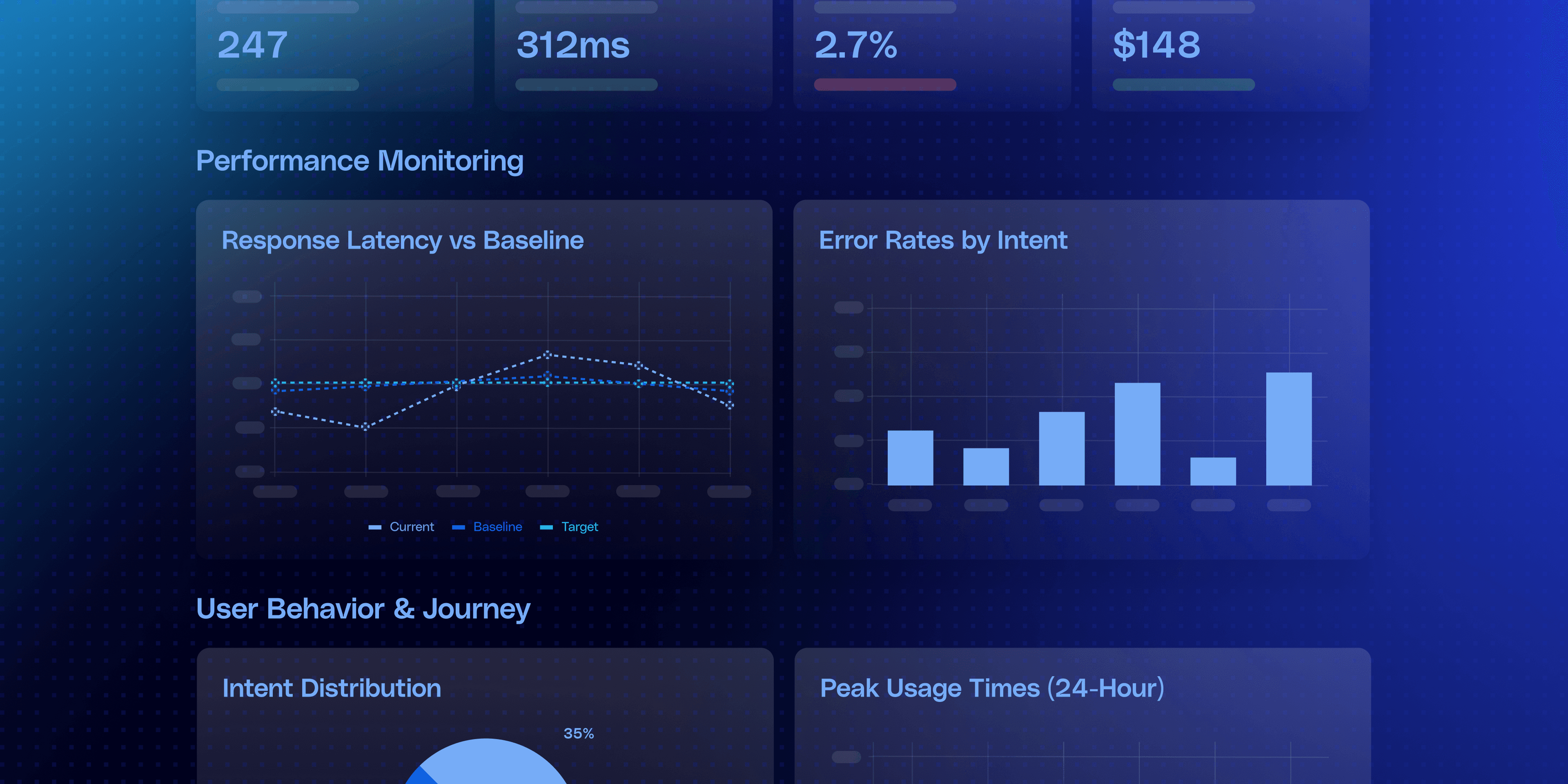
How to track AI product usage without exposing sensitive data
Learn how to track AI product usage—like chatbots, copilots, and assistants—without storing sensitive prompts. This guide covers event specs, intent classification, and using RudderStack to deliver privacy-safe, actionable analytics.

RudderStack now supports the Singular SDID for mobile attribution
RudderStack now supports Singular SDID, enabling accurate mobile attribution in a post-IDFA world. Automatically route events to Singular’s V2 API with no migration, while preserving data isolation and privacy controls.


Why customer data infrastructure is moving to infrastructure as code
Customer data infrastructure is shifting to infrastructure as code. Learn how IaC brings version control, governance, and reliability to tracking plans, pipelines, and identity logic, and why it’s critical for scaling AI-ready systems.
The death of SaaS (as we know it) and what it means for customer data
AI agents are shifting software from UI-driven workflows to infrastructure-driven systems. This post explains why SaaS pricing and UX moats are eroding, and why customer data infrastructure becomes the foundation for agentic workflows.

Why better metadata isn’t enough and the architectural shift that changes what agents produce
AI agents generating SQL works for simple queries, but breaks in production systems. This post explains why stateless SQL fails and how semantic intent, data contracts, and compilers create reliable, governed AI data pipelines.